
Step #17: Marketing your Business
Marketing is how people find out you exist, understand why you're different and decide to buy from you. It’s what I’m here to help with. But this is useful guidance on doing it yourself too.
Step #16: Data Protection: GDPR made simple
Heard the term GDPR? Heard of data permissions? It sounds like a minefield, but the basics are very manageable once someone explains them in plain English.
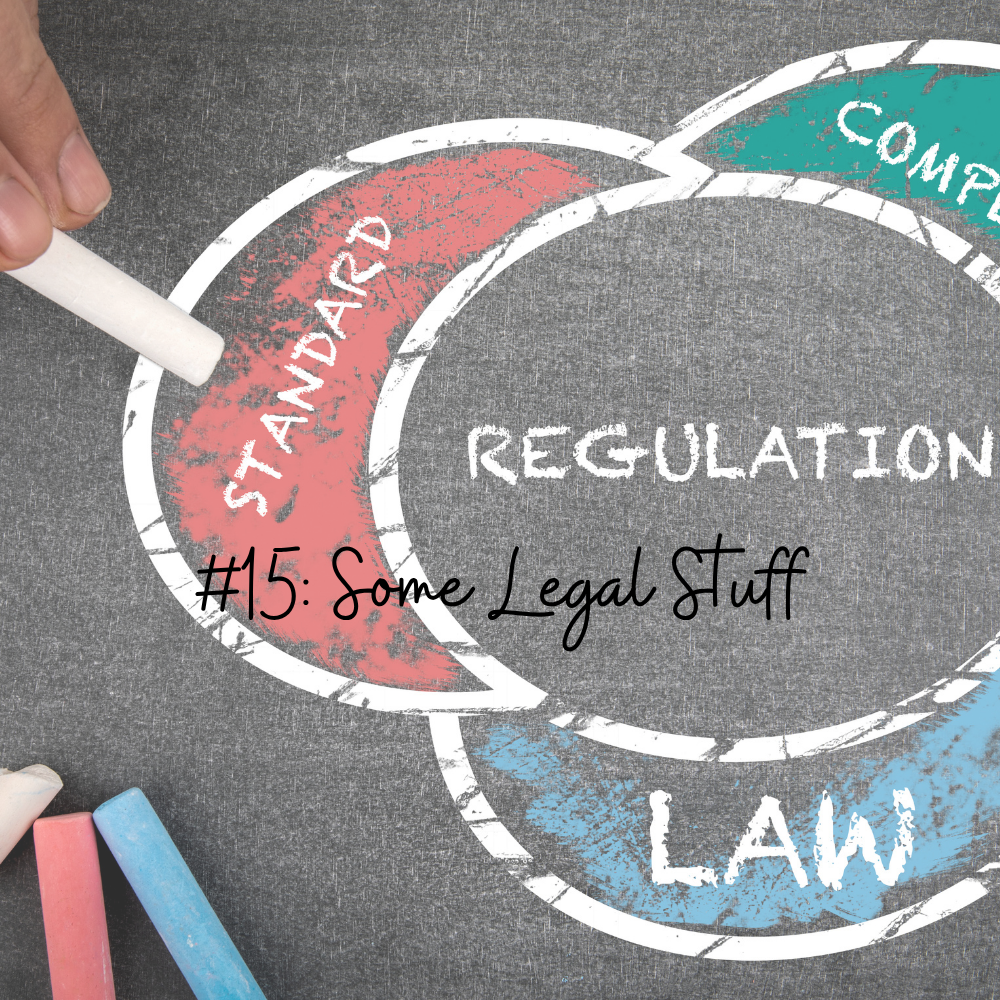
Step #15: Licences and Regulations
The aim of this blog is to help you work out where your business falls in the need for licences and regulation-following so you can be taken seriously in your field and stay on the right side of the law.
Step #13: Funding Options
“Where do I get the money to start a business?” may be the first question you asked yourself. There are more funding options and grants available than you may be aware of. This blog will signpost you to some useful platforms.
Step #12: Track your Cash Flow
As your business starts to take shape and you get more edgy about when to leave the day job, you need to know how much money will actually be in your bank account, and when, so you don’t run into a situation where you can’t pay your suppliers.

Step #11: Choose your Business Structure
You’ve probably heard terms like Sole Trader and Limited Company. You need to decide what type of business you need to operate. It’s not that heavy.

Step #10: Separate your Business Finances
It makes sense to get a business bank account from day one of going for it on a new business venture. All your set up costs should go through there, which is going to make accounting much easier later on.
Step #9: What Upskilling Do You Need?
No-one’s an expert on all aspects of running a business from day one, and thankfully you don’t need to be. Decide what you need to upskill on and what you need to outsource to get your business going.
Step #8: Behind the Scenes: Get Your Kit, Systems and Processes Ready
This is about the nuts and blots of your business machine. You need to work out how the business will operate. The equipment, online platforms and ways of working you set up now will make your life easier.

Step #7: Build a Brand Identity
Your brand identity is how you want customers to see you, and how you behave, how you offer your service so they come back, and have positive feelings about buying from you. Get it right to create loyal, happy customers.
Step #6: Name and register your business
Naming your business is something you may have done ever since your first had the idea. It should be a fun part. There are a few legal and sensible things to think about though before you set upon a business name. Decide whether you need to register it too.

Step #5: Plan your timeline to launch
Turning your business idea into a project will require a timeline, otherwise your to-do list will feel overwhelming. You don’t need to do everything today, but setting all your tasks out in a timeline really helps.

Step #4: How to write a solid business plan
It might sound too formal, not something you need for your small business idea, but there’s a lot of good reasons to write a plan, and templates to help you.

Step #3: Don’t Give up your Day Job yet!
You need to be realistic about how soon you will be making money from your business, so trying to keep up the day job is essential in the early stages.

Step #2: Test Your Business Idea First
Tempting to skip, but very important to share your business idea with others, and allow for picking holes in it.

Step #1: Define your Unique Selling Point
Learn how to define your unique selling point which will make you stand out from your competitors.

Top 20 Tips for Small Business Start Ups
Taking the first steps in building a business. Where to start. Follow this 20-step guide.